A Comprehensive Guide to Hedge Trimming: Techniques and Best Practices


Trimming hedges is an essential task for maintaining a beautiful and healthy garden. Whether you're a seasoned gardener or a beginner, understanding the techniques and best practices for hedge trimming can make a significant difference in the appearance and health of your plants.
Understanding Your Tools
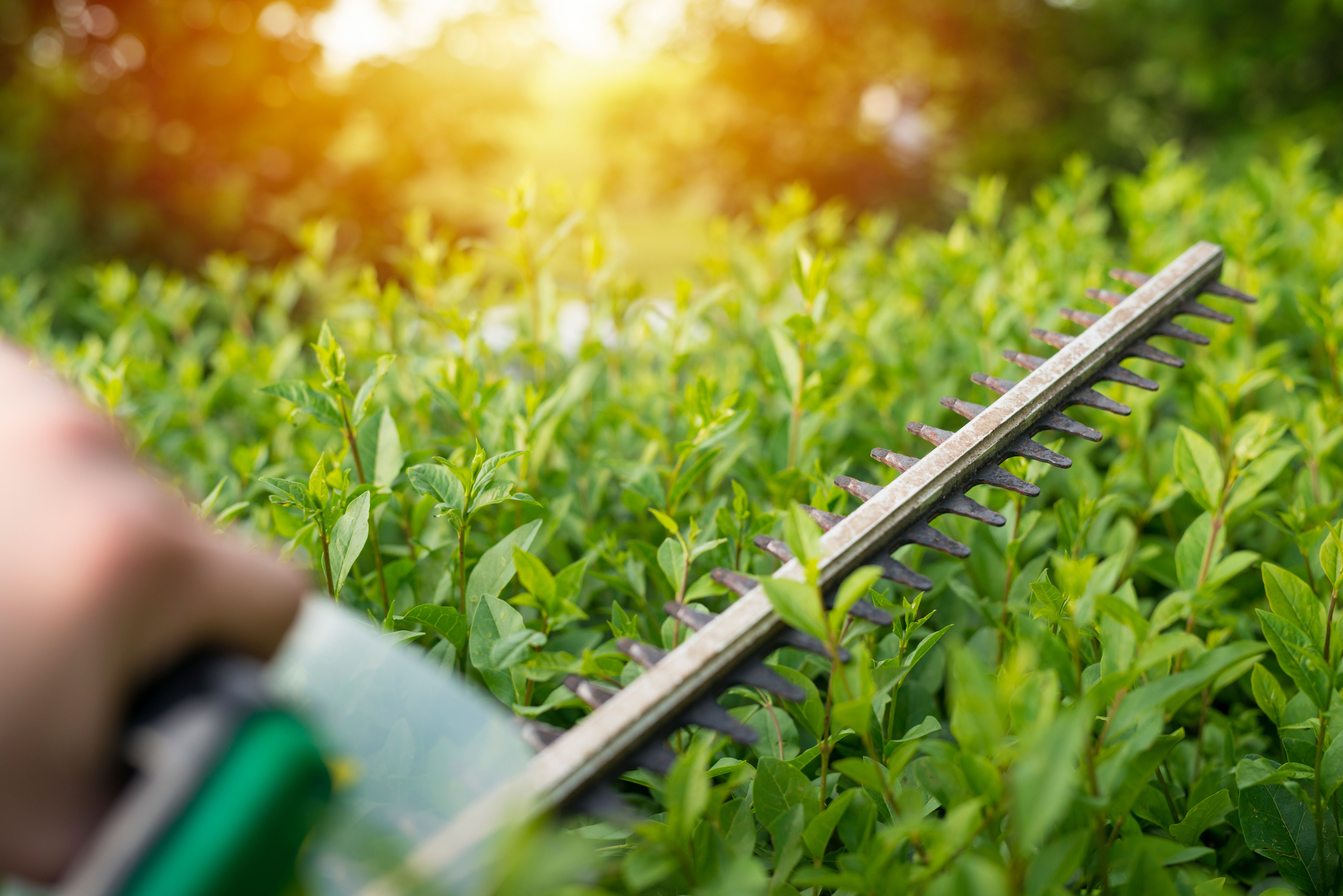
The first step in successful hedge trimming is choosing the right tools. Essential tools include hedge shears, loppers, and electric or gas-powered trimmers. Each tool has specific uses, and selecting the right one depends on the size and type of hedge you're working with.
Hedge shears are ideal for small to medium-sized hedges and allow for precise cuts. Loppers are useful for cutting thicker branches, while powered trimmers make quick work of large hedges. Regular maintenance of these tools, such as cleaning and sharpening, ensures optimal performance.
Safety First
Safety should always be a priority when trimming hedges. Wear protective gear, including gloves, safety glasses, and ear protection if using powered tools. Ensure your ladder is stable and positioned correctly to avoid accidents.
Timing Is Everything
The timing of your hedge trimming can greatly impact plant health. Most hedges benefit from being trimmed in late spring or early summer when growth is vigorous. Avoid trimming in late autumn as new growth may not have time to harden before winter.
Different types of hedges have specific timing needs. For example, evergreen hedges can be trimmed more frequently throughout the growing season, while flowering hedges should be trimmed after they bloom to preserve their flowers.
Techniques for a Clean Cut
Proper technique is crucial for a neat and healthy hedge. Start by trimming the sides of the hedge, moving from bottom to top to prevent cuttings from falling into areas already trimmed. Keep your cuts at a slight angle to promote water runoff and prevent disease.
Maintaining Hedge Shape
Consistency in shape is important for aesthetic and health reasons. Use string or a guide to maintain a straight line when trimming. For rounded or sculpted hedges, follow the plant's natural shape and use gradual, smooth motions.
Regular trimming encourages dense growth and helps maintain the desired shape. Avoid trimming too much at once, as this can stress the plant and lead to uneven growth.
Aftercare and Maintenance
After trimming, it's essential to care for your hedges to ensure continued health. Remove cuttings from the base to prevent disease and pests. Regularly check for signs of disease or pest infestation and address any issues promptly.
Watering and fertilizing according to the specific needs of your hedge type will promote healthy growth and resilience. Mulching around the base can help retain moisture and regulate soil temperature.

By following these techniques and best practices, you can maintain beautiful, healthy hedges that enhance your garden's appearance. Remember, patience and regular maintenance are key to achieving the best results.