DIY Tree Trimming Tips: When to Call a Professional


Understanding the Basics of DIY Tree Trimming
Tree trimming is an essential part of maintaining a healthy and aesthetically pleasing landscape. While many homeowners opt to tackle this task themselves, it's important to have a clear understanding of the basics to ensure safety and effectiveness. Proper tree trimming encourages growth, improves tree health, and enhances the overall appearance of your yard.
Before you pick up your tools, familiarize yourself with the different types of cuts used in tree trimming. The three primary cuts are thinning, topping, and raising. Each has a specific purpose, and using the wrong one can damage your tree.
Essential Tools for Tree Trimming
Having the right tools is crucial for successful tree trimming. Basic tools include pruning shears, loppers, a pruning saw, and a pole pruner for higher branches. Make sure your tools are sharp and in good condition to ensure clean cuts, which help prevent disease in your trees.
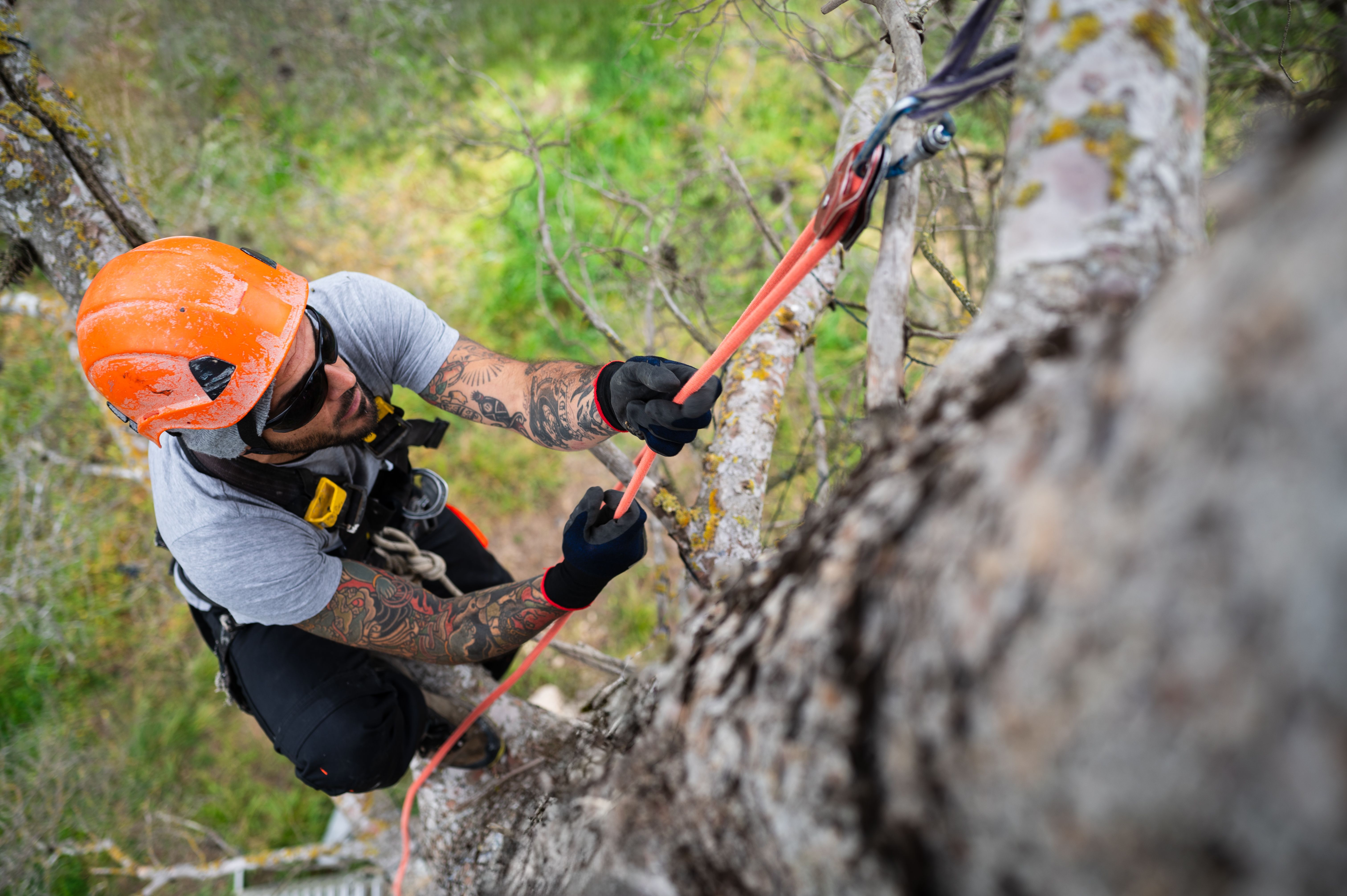
For safety, always use protective gear such as gloves, goggles, and a hard hat. If you are working on larger trees, consider using a sturdy ladder or investing in a harness for added security.
Benefits of Regular Tree Trimming
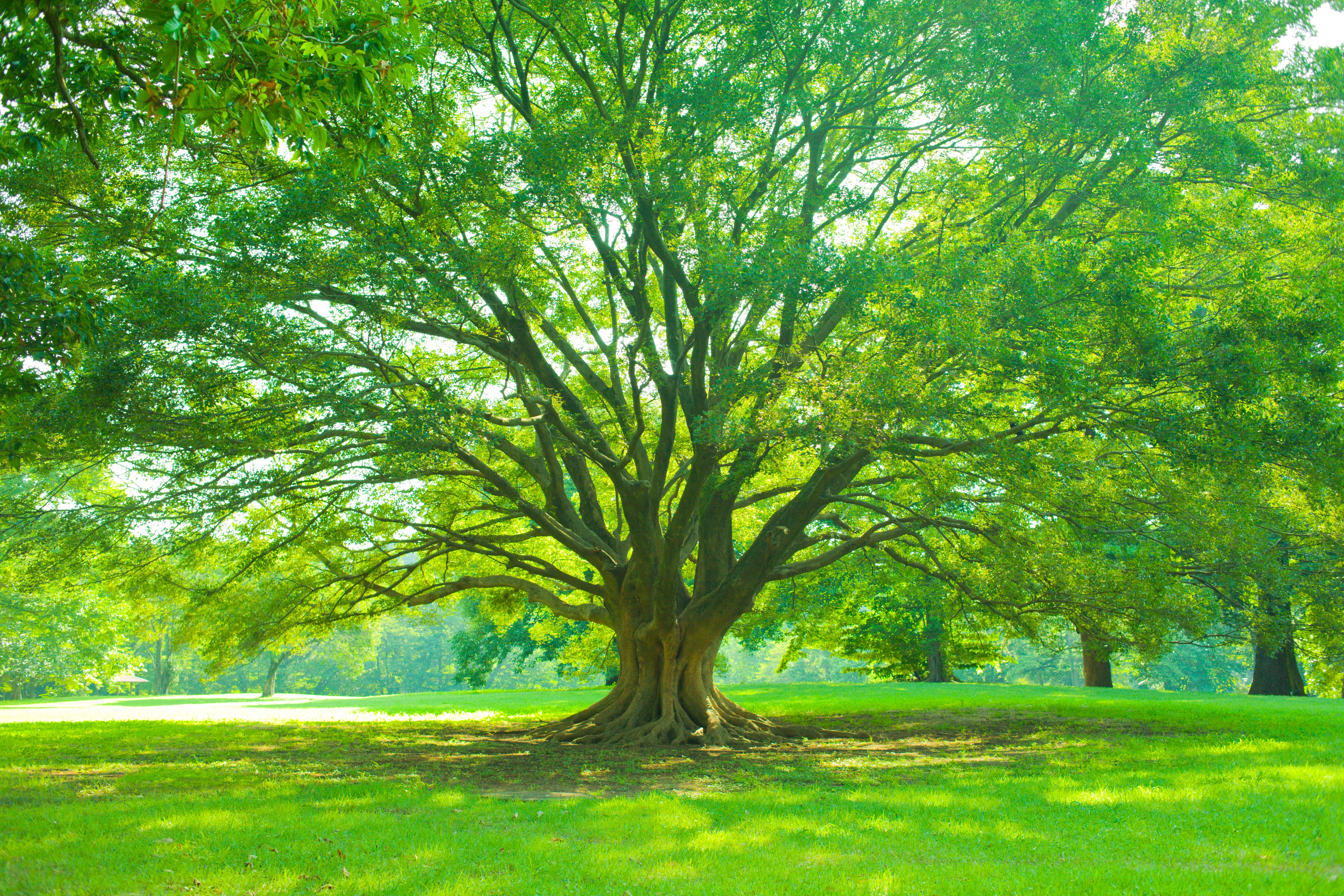
Regular tree trimming offers numerous benefits beyond just keeping your yard tidy. It helps remove dead or diseased branches, allowing the tree to channel its energy into healthier growth. Additionally, trimming can prevent potential hazards, such as branches falling during storms.
Trimming can also improve air circulation and sun exposure, which enhances the tree's overall health. Well-maintained trees can increase your property's value and curb appeal.
Signs You Need a Professional
While DIY tree trimming can be manageable for small jobs, there are situations where calling a professional is the best course of action. If your tree is close to power lines or if the branches are too high to reach safely, it's time to contact an expert.
Another sign to consider a professional is if your tree shows signs of disease or pest infestation. Professionals can accurately diagnose the issue and apply the appropriate treatments to save your tree.
Choosing the Right Professional
When selecting a tree trimming service, look for certified arborists with a good reputation. Check their credentials and ask for references or reviews from past clients. Ensure they have insurance to cover any potential damage during the trimming process.
A professional will not only handle the work safely but can also provide valuable advice on long-term tree care, ensuring your landscape remains beautiful and healthy.
Conclusion
Tree trimming is a vital part of home maintenance that can often be done on your own with the right knowledge and tools. However, knowing when to call a professional is equally important for safety and the health of your trees. By balancing DIY efforts with professional help, you can enjoy a thriving and beautiful landscape year-round.