Eco-Friendly Tree Care Practices: Sustainable Solutions for Your Yard


Understanding Eco-Friendly Tree Care
Caring for the trees in your yard is not only essential for maintaining their health and beauty but also for ensuring a sustainable environment. Eco-friendly tree care practices focus on nurturing your trees while minimizing environmental impact. By adopting these methods, you can contribute to a healthier ecosystem right in your backyard.
Eco-friendly tree care involves using natural resources and sustainable techniques that promote the long-term health of your trees and surrounding environment. From soil management to pest control, there are numerous ways to care for your trees responsibly.

Soil Health and Nutrition
The foundation of any healthy tree lies in the soil. Using organic fertilizers and compost can significantly improve soil health, providing trees with the nutrients they need to thrive. Organic matter not only enriches the soil but also enhances its ability to retain moisture, reducing the need for frequent watering.
Another sustainable practice is mulching. Applying a layer of organic mulch around the base of your trees helps retain soil moisture, suppress weeds, and regulate soil temperature. Choose natural mulch materials like wood chips or straw to ensure sustainability.
Water Conservation Techniques
Water conservation is a critical aspect of eco-friendly tree care. Implementing drip irrigation systems can be an efficient way to water your trees without wasting resources. This method delivers water directly to the roots, minimizing evaporation and runoff.

Additionally, consider watering your trees early in the morning or late in the evening when temperatures are cooler. This reduces water loss due to evaporation and helps maintain soil moisture levels.
Natural Pest and Disease Control
Instead of relying on chemical pesticides, opt for natural pest control methods to protect your trees. Introducing beneficial insects, such as ladybugs and predatory beetles, can help manage pest populations naturally. These insects feed on harmful pests, reducing the need for chemical interventions.
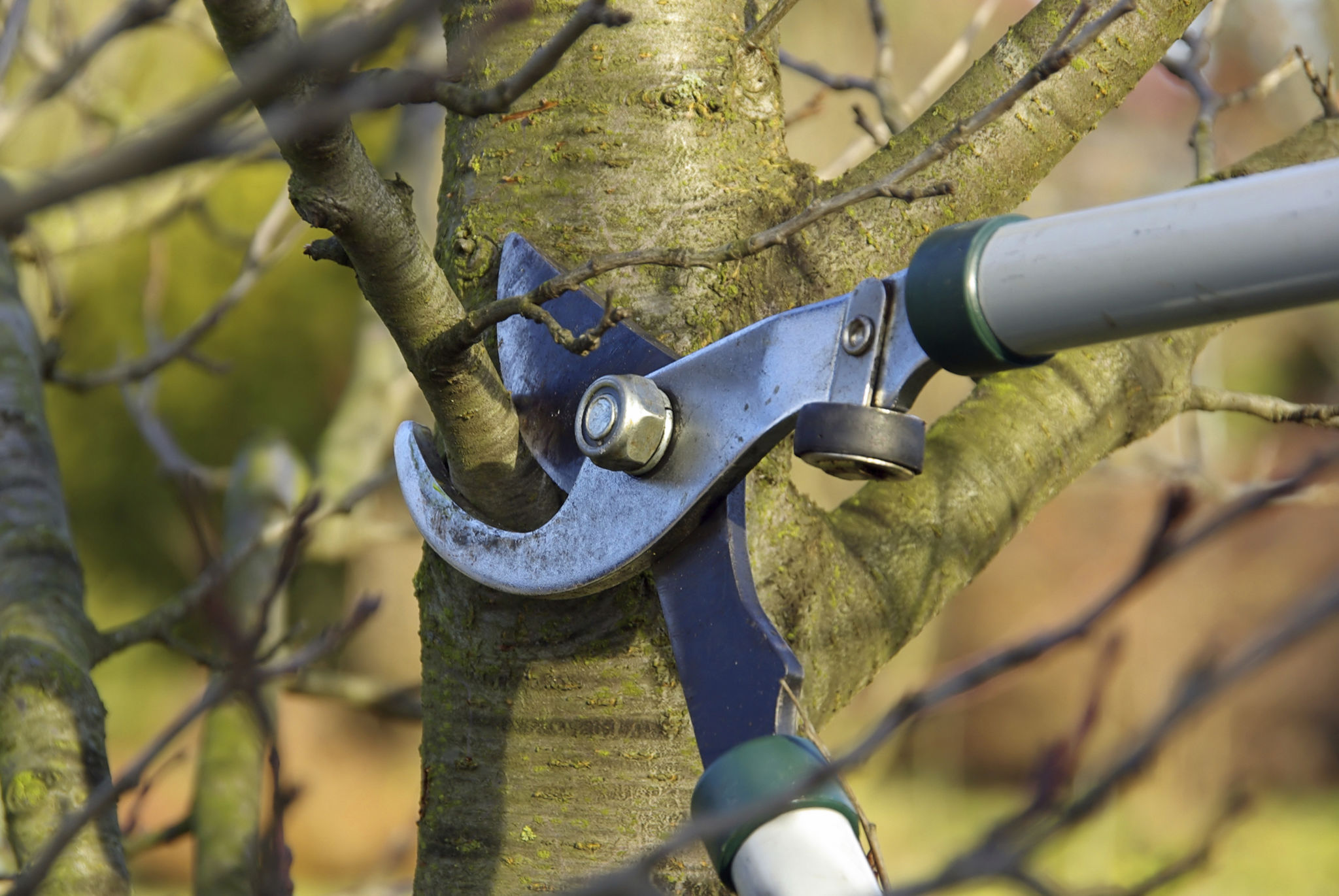
For disease control, regular pruning and maintaining proper tree spacing can improve air circulation and reduce the risk of fungal infections. Ensure your pruning tools are clean to prevent the spread of disease.
Choosing the Right Tree Species
When planting new trees, select species that are native to your region. Native trees are better adapted to local soil and climate conditions, requiring less water and maintenance. They also provide habitat and food for local wildlife, supporting biodiversity.
Consider the mature size of the tree and its growth rate to ensure it fits well within your landscape and reduces the need for excessive pruning or removal.
Community and Education
Engaging with your community can amplify the impact of your eco-friendly tree care efforts. Participate in local tree planting events or join community groups focused on sustainable gardening practices. Sharing knowledge and resources can foster a collective approach to environmental stewardship.
Education is key to promoting eco-friendly practices. Stay informed about sustainable tree care techniques and continually adapt your practices to align with the latest environmental research.