Eco-Friendly Tree Care Practices in Texas: What You Need to Know


As the world becomes increasingly aware of environmental issues, adopting eco-friendly practices in all aspects of life is essential. In Texas, where trees play a crucial role in maintaining ecological balance, implementing sustainable tree care practices is vital. This guide explores some of the best eco-friendly tree care practices tailored to the unique climate and conditions of Texas.

Understanding the Importance of Trees in Texas
Trees are an integral part of Texas's landscape, offering numerous benefits such as providing shade, enhancing air quality, and supporting wildlife. With the state's diverse climate, from arid regions to humid areas, trees need specific care tailored to their environment. By adopting eco-friendly tree care practices, you can help preserve these vital resources while minimizing environmental impact.
Choosing Native Species
One of the most effective ways to promote sustainable tree care is by planting native species. Native trees are naturally adapted to the local soil, climate, and pests, requiring less water and maintenance compared to non-native species. Some popular native Texas trees include the Live Oak, Texas Redbud, and Bald Cypress. By choosing native trees, you contribute to the local ecosystem's health and reduce the need for chemical interventions.

Water Conservation Techniques
Water conservation is crucial in Texas, where drought conditions can be common. Implementing efficient watering techniques can significantly reduce water usage while keeping your trees healthy. Consider using drip irrigation systems, which deliver water directly to the tree roots, minimizing evaporation and runoff. Additionally, mulching around the base of trees helps retain soil moisture and reduces the need for frequent watering.
Using Organic Mulch
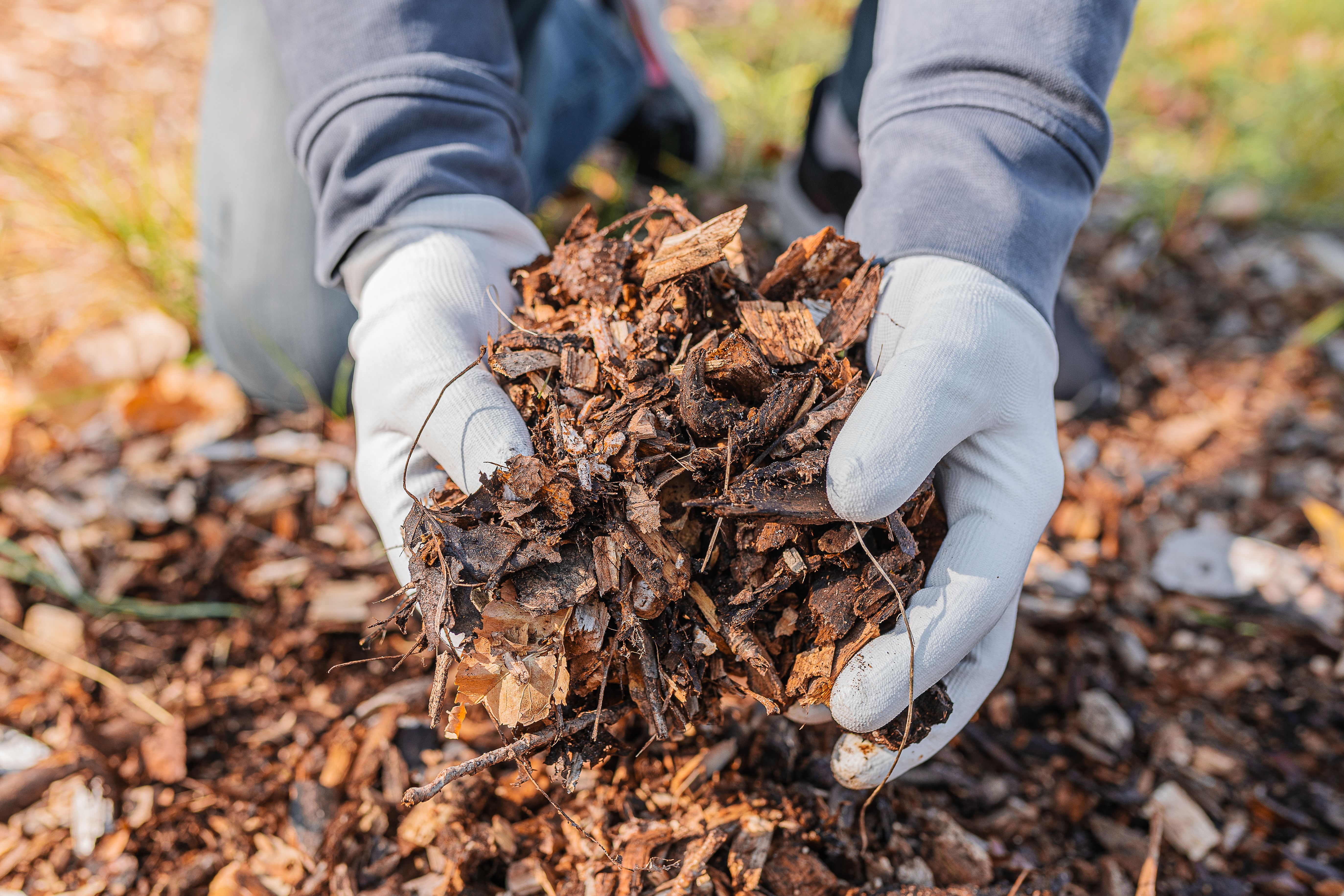
Organic mulch, such as wood chips or shredded bark, is an excellent way to enrich the soil and conserve water. It provides essential nutrients as it decomposes and serves as a natural weed barrier, reducing the need for chemical herbicides. Apply a layer of mulch around the base of your trees, ensuring it does not touch the trunk to prevent rot.
Pest Management Without Chemicals
Pest control is a significant aspect of tree care, but using chemical pesticides can harm the environment. Opt for integrated pest management (IPM) techniques, which focus on natural and preventative methods. Introducing beneficial insects like ladybugs or using insecticidal soap can effectively manage pests without resorting to harsh chemicals.
Regular Pruning and Maintenance
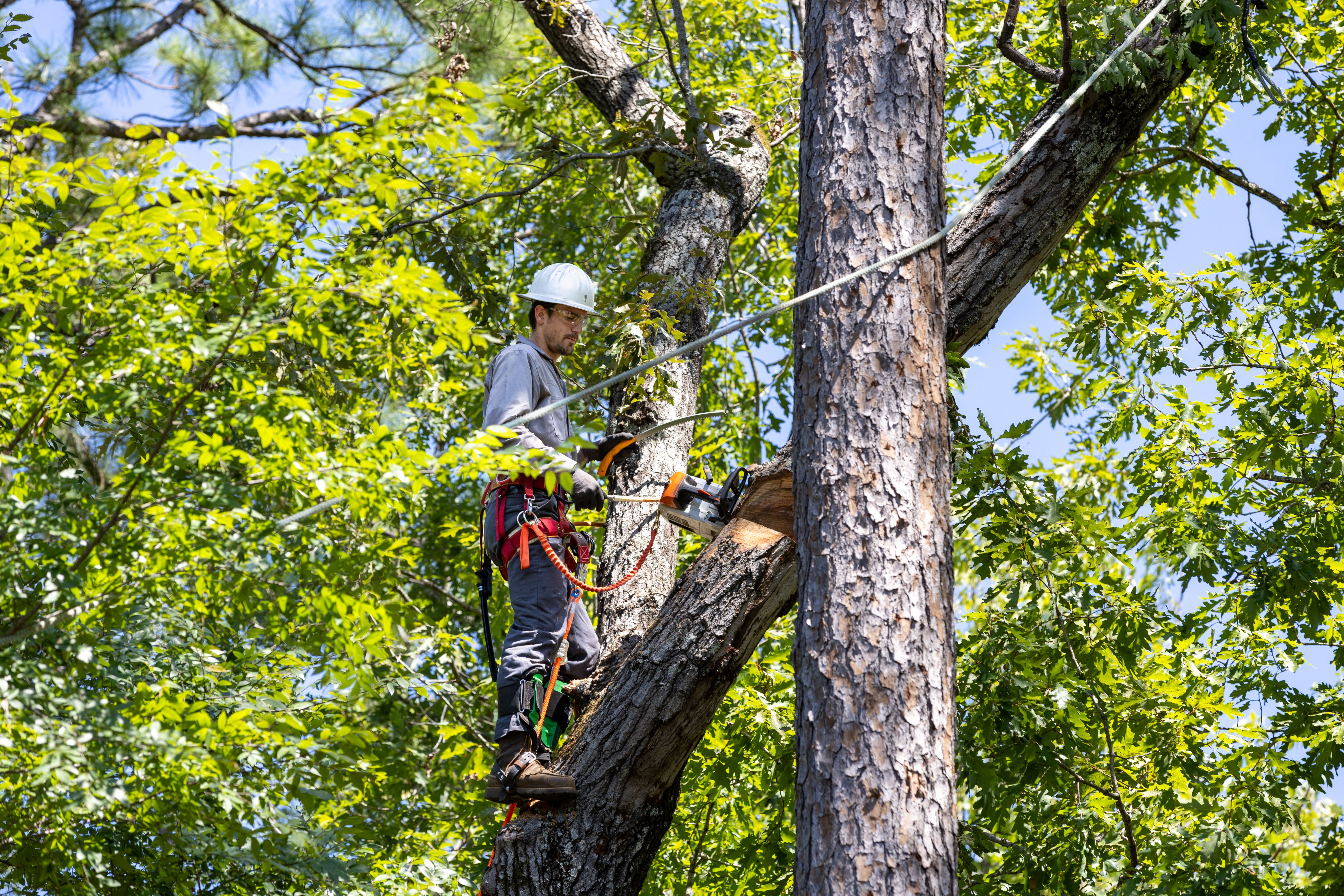
Regular pruning is essential for maintaining tree health and preventing disease. Proper pruning allows for better air circulation and sunlight penetration, reducing the likelihood of fungal infections. Use sharp, sanitized tools to make clean cuts, and avoid excessive pruning, which can weaken the tree.
Conclusion
Embracing eco-friendly tree care practices in Texas helps preserve the state's natural beauty and contributes to a healthier environment. By choosing native species, conserving water, and managing pests naturally, you can ensure your trees thrive while minimizing your ecological footprint. These sustainable practices not only benefit your immediate surroundings but also support the broader goal of environmental conservation.