Expert Tree Trimming Techniques for Healthy Growth


Tree trimming is more than just an aesthetic choice; it's a vital practice for ensuring healthy growth, safety, and longevity of your trees. Understanding expert tree trimming techniques can help you maintain your landscape in tip-top shape.

Understanding the Basics of Tree Trimming
Tree trimming involves the removal of specific branches to improve the tree's structure and promote healthy growth. It's essential to know the right time and method to trim to avoid causing damage. The best time to trim most trees is during their dormant season, typically in late winter or early spring.
Proper tools are crucial for effective trimming. Using sharp, clean pruning shears or saws minimizes damage and promotes quicker healing. Always ensure your tools are in good condition to avoid tearing the bark.
Types of Tree Trimming
There are several types of tree trimming techniques, each serving a different purpose:
- Crown Thinning: This involves selectively removing branches to increase light penetration and air movement through the crown.
- Crown Raising: This technique removes lower branches to provide clearance for pedestrians, vehicles, or structures.
- Crown Reduction: Reducing the size of the tree for safety and aesthetic purposes, especially if branches are too close to power lines.
Recognizing When to Trim
Understanding when to trim is as important as knowing how. Look for dead, diseased, or damaged branches, as these should be removed immediately. Branches that cross or rub together can also be problematic and should be addressed.
Regular inspection of trees is a good habit. This helps in identifying potential issues early, making the trimming process more effective and less intrusive.
Safety Tips for Tree Trimming
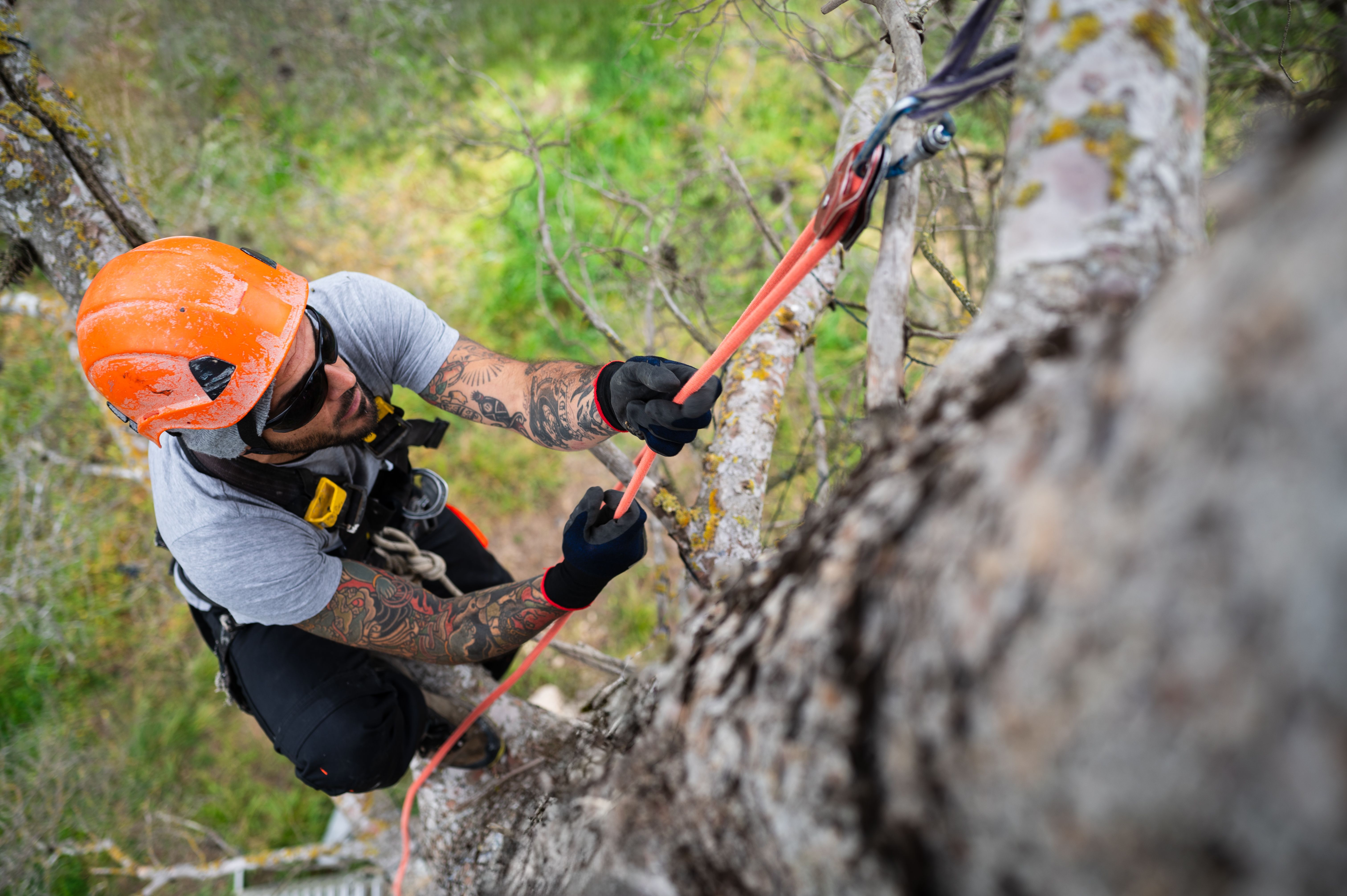
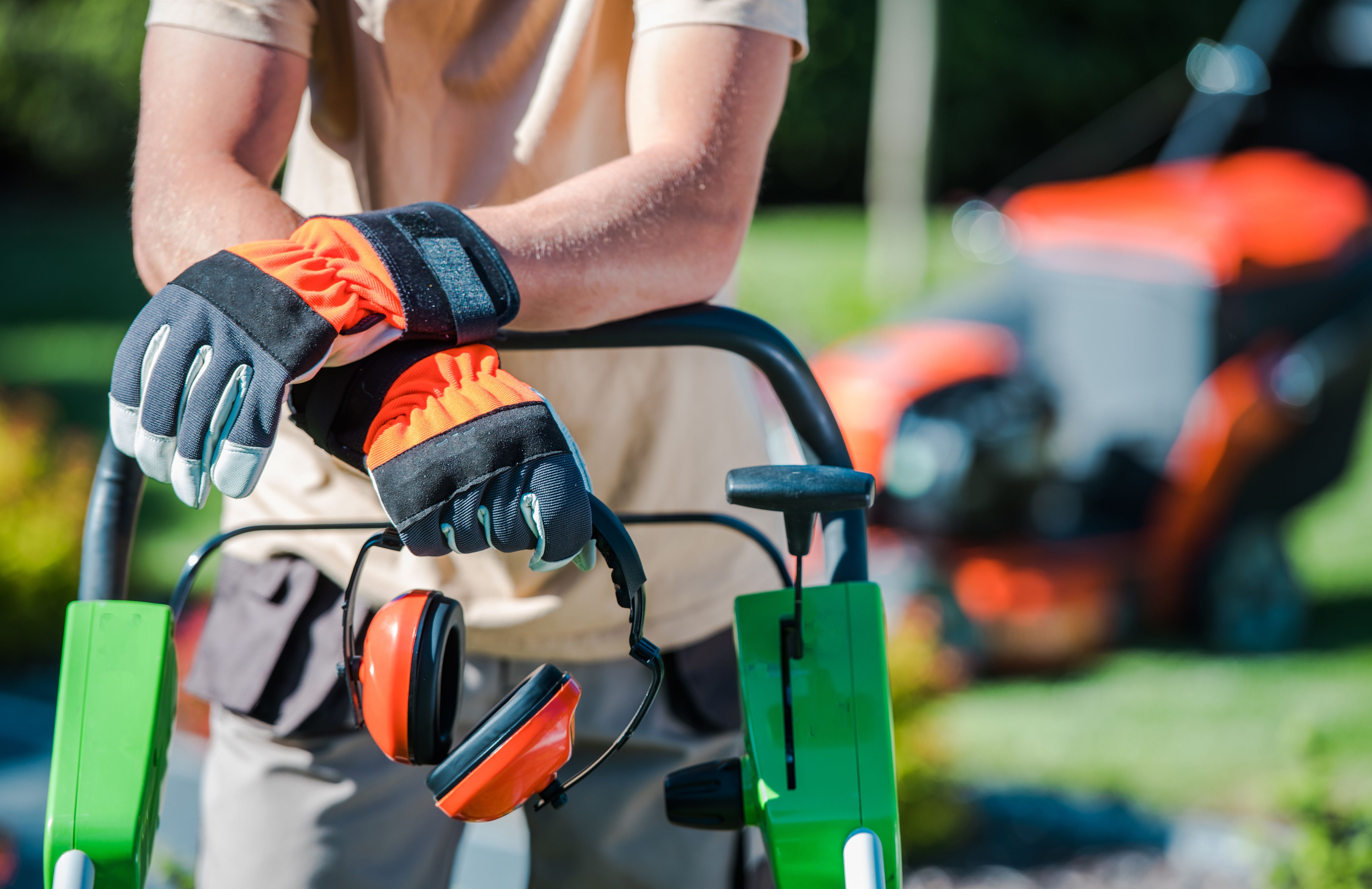
While trimming can be a DIY task, safety should always be your top priority. Wear appropriate protective gear, such as gloves, safety goggles, and helmets. If you're dealing with large trees or branches near power lines, it's best to hire professionals.
Benefits of Regular Tree Trimming
Regular tree trimming offers numerous benefits beyond aesthetics. It enhances the tree's overall health by removing dead or diseased wood, which can prevent the spread of decay. Proper trimming also encourages the growth of strong, healthy branches, reducing the risk of breakage during storms.
Moreover, well-maintained trees can increase property value and improve the overall appearance of your landscape. They also contribute to a healthier environment by improving air quality and providing habitat for wildlife.
Conclusion
By understanding and applying expert tree trimming techniques, you ensure the health and longevity of your trees. Whether you choose to do it yourself or hire professionals, regular tree care is an investment in your landscape's beauty and sustainability.