Myth-Busting Common Tree Care Misconceptions


Understanding the Basics of Tree Care
Many homeowners and garden enthusiasts believe they know how to care for trees, but misconceptions can lead to detrimental practices. Understanding the basics of tree care is essential for healthy growth and longevity. In this post, we’ll debunk some common myths to help you maintain vibrant trees.

Myth 1: Trees Don't Need Watering
One of the most common misconceptions is that once trees are established, they do not need watering. In reality, all trees require water, especially during dry spells. Young and newly planted trees are particularly vulnerable and need consistent moisture to establish strong root systems.
Regular watering is crucial, but overwatering can also harm trees by suffocating roots. It’s important to find a balance and monitor soil moisture levels.
Myth 2: Pruning Can Be Done Any Time
Pruning is essential for tree health, but timing matters. Many people believe that trees can be pruned at any time, but improper timing can cause stress and open wounds susceptible to diseases.
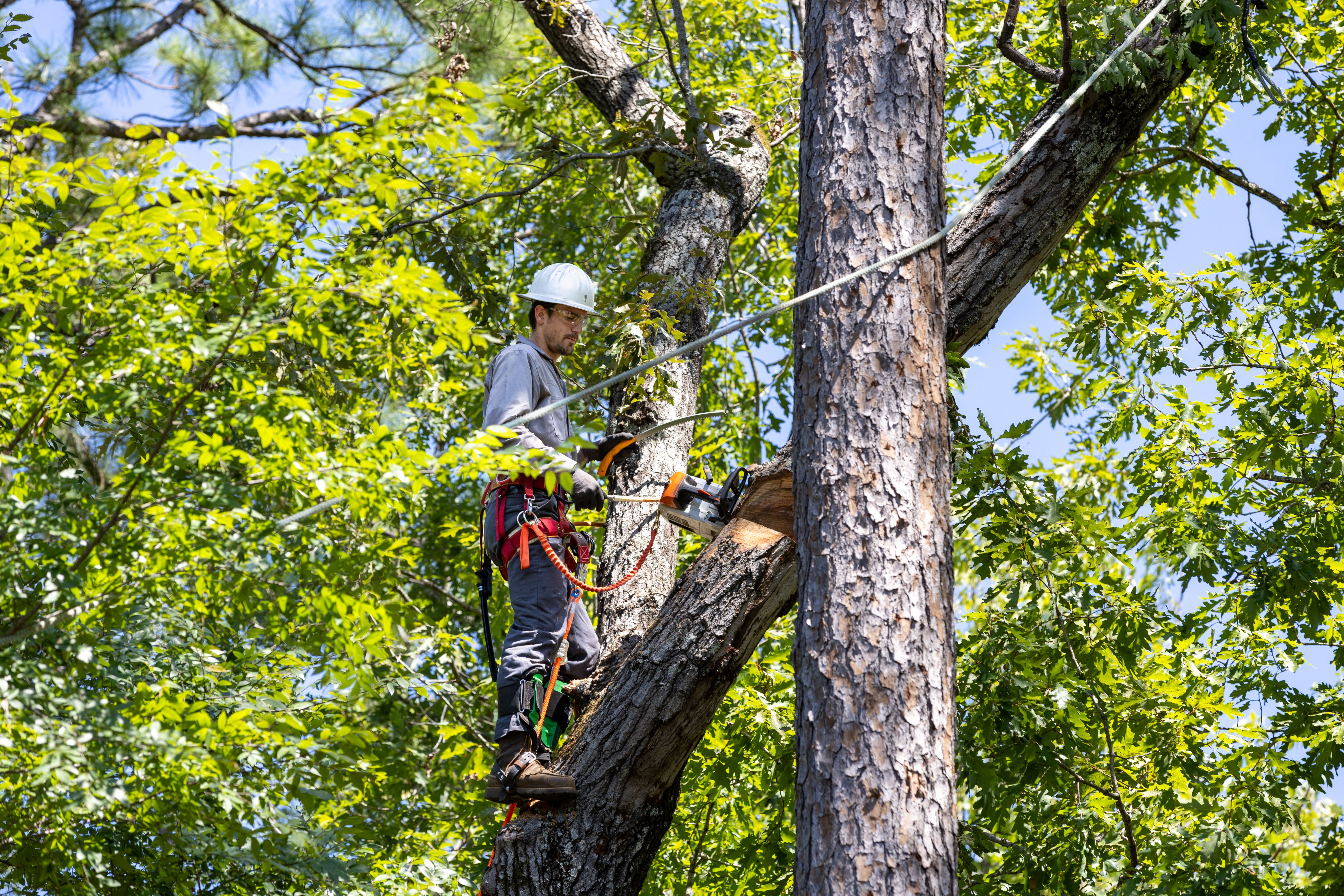
The best time to prune most trees is during their dormant season, usually in late winter. This helps minimize stress and allows for optimal healing before new growth begins in the spring.
Myth 3: All Trees Need Fertilizer
Fertilizing trees is often considered a must-do task, but not all trees require it. Mature trees often find enough nutrients in the soil, and excessive fertilization can lead to issues like nutrient burn or unbalanced soil chemistry.
Before applying fertilizer, it’s wise to conduct a soil test to determine if your tree genuinely requires additional nutrients. This ensures a targeted approach that benefits the tree without causing harm.

Myth 4: Staking Young Trees Is Always Necessary
Staking is often perceived as essential for young trees, but this isn’t always true. While it can provide support for unstable trees, unnecessary staking can hinder natural growth and lead to weaker trunks.
Instead, allow young trees to develop their strength by only staking when absolutely necessary, such as in windy areas or if the tree has a weak root system.
Myth 5: Tree Wounds Need Paint
For years, it was common practice to paint tree wounds to protect them from pests and diseases. However, recent studies have shown that tree wound paint can actually trap moisture and encourage decay.
Trees have natural mechanisms to heal, and in most cases, it’s best to leave wounds alone and allow them to close naturally. Only intervene if there are signs of infection or excessive damage.
Conclusion
Proper tree care is more nuanced than many realize, and avoiding common misconceptions can lead to healthier, more resilient trees. By understanding the needs of your trees and when to intervene, you can ensure that they thrive for years to come.