Understanding Regional Regulations for Tree Removal in Texas


Understanding Regional Regulations for Tree Removal in Texas
Tree removal in Texas can be a complex process, as it involves navigating various regional regulations. Whether you are a homeowner looking to clear space on your property or a business owner needing to remove trees for development, it’s essential to understand the legal landscape. This guide provides an overview of the key considerations and steps involved in the tree removal process across Texas.

Statewide Regulations and Local Ordinances
While there are no overarching state laws specifically governing tree removal in Texas, many municipalities have their own ordinances. These local regulations can vary significantly, so it’s vital to check with your city or county government before proceeding. For example, cities like Austin and Dallas have stringent rules protecting certain tree species and sizes.
Understanding the difference between protected and non-protected trees is crucial. Typically, regulations focus on preserving native and mature trees due to their environmental and aesthetic value. Failure to comply with these rules can result in hefty fines.
Permitting Process
In areas where permits are required, the application process can involve several steps. Homeowners or businesses must submit detailed plans indicating which trees are to be removed and why. In some cases, an arborist’s report may be required to justify the removal.
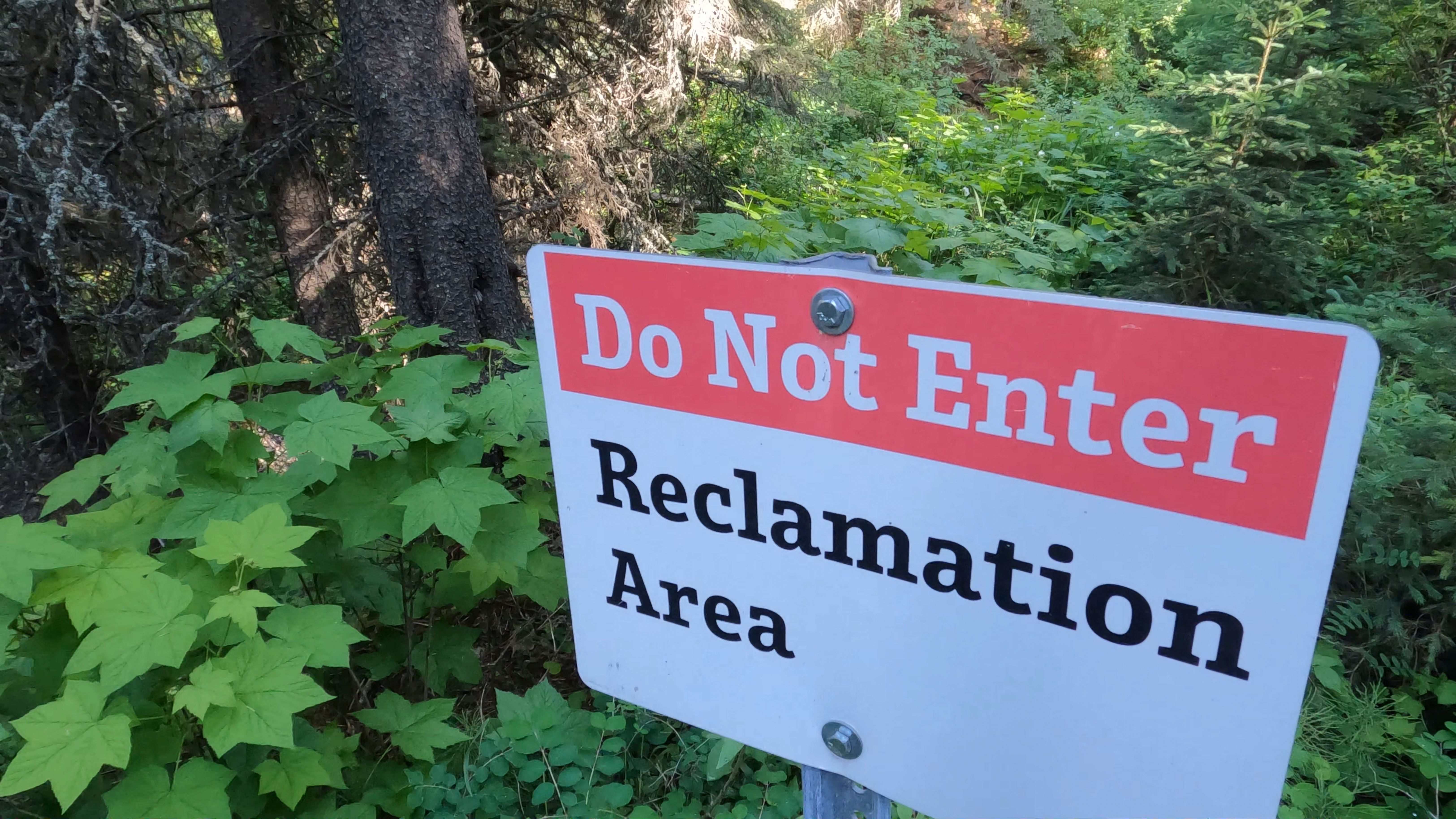
The permitting process might also include a site inspection by local authorities to ensure compliance with environmental and safety standards. It is advisable to start this process well in advance to avoid delays.
Environmental Considerations
Beyond legal requirements, environmental considerations play a significant role in tree removal. Trees contribute to biodiversity, improve air quality, and provide shade. Therefore, many Texas cities encourage replanting or replacement of removed trees.
Some regions offer incentives for planting native trees, which are better adapted to local climates and provide more ecological benefits. Choosing to replant can also improve property value and community aesthetics.

Hiring Professional Services
Given the complexity of regulations and the physical demands of tree removal, many property owners opt to hire professional services. Certified arborists are knowledgeable about local laws and can ensure that the removal process is safe and compliant.
When hiring a service, verify their credentials and ask for references. Reputable companies will have the necessary insurance and permits, providing peace of mind that the job will be handled professionally.
Conclusion
Understanding regional regulations for tree removal in Texas is essential for anyone considering this process. By familiarizing yourself with local ordinances, obtaining the necessary permits, considering environmental impacts, and hiring professional services, you can ensure a smooth and compliant tree removal experience.
Remember, protecting the natural environment is a shared responsibility. By adhering to these guidelines, you contribute to maintaining the ecological balance and beauty of Texas landscapes.